Childhood Apraxia of Speech (CAS) is a motor speech disorder diagnosed by a speech-language pathologist (SLP) with experience evaluating speech sound disorders. If you’ve been searching for information about apraxia of speech, you’re not alone — apraxia awareness has grown significantly in recent years, and more families are learning to recognize the signs early.
What Is Childhood Apraxia of Speech?
CAS is characterized by differences in motor planning and programming, which can make it difficult for a person to smoothly and consistently move between sounds in words. Despite the word “childhood” in its name, apraxia of speech is not something a person simply outgrows; it is a lifelong speech disorder that requires therapy using a motor planning approach such as DTTC, PROMPT, or K-SLP in order to make gains with verbal speech.
When identifying apraxia in children, SLPs look for a combination of features rather than a single sign. Understanding these features is an important part of apraxia awareness.
Non-Discriminative Features of Apraxia of Speech
People with speech sound disorders such as phonological impairment, dysarthria, or CAS may exhibit the following in their speech:
- Limited consonant and vowel repertoire
- Use of simple syllable shapes
- Frequent omission of sounds
- Numerous errors – poor standard scores on articulation tests
- Poor intelligibility
- Inconsistency
Discriminative Features
People with CAS frequently exhibit characteristics that are seen less often in other speech sound disorders. These are key markers SLPs look for when diagnosing apraxia of speech:
- Difficulty moving from one sound to the next — Movements may appear awkward as the person attempts the continuous movement across a word.
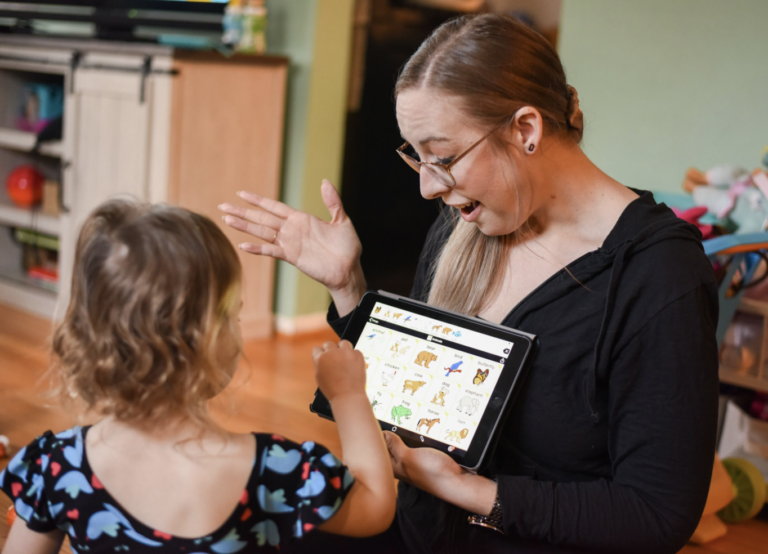
- Groping and/or trial-and-error behavior — You might see the person pause, move their lips or tongue around, or attempt a word several times before getting closer to their target.
- Vowel distortions — A hallmark feature of childhood apraxia of speech that is less common in other speech disorders.
- Distorted consonants and consonant substitutions — For example, “bunny” might sound like “munny.”
- Intrusive schwa — When a small extra vowel sound (like “uh”) is added between sounds in a word. For example, “popcorn” might sound like “popuhcorn.”
- Sound additions — For example, “mad” might sound like “mand.”
- Prosodic errors — Prosody is the rhythm and melody of speech, including stress, timing, and intonation. With apraxia of speech, a person might place emphasis on the wrong syllable, sound more monotone, or have pauses that feel off.
- Inconsistent voicing errors — Voicing refers to whether the vocal cords are active (as in b, d, g) or not (as in p, t, k). A child with apraxia may switch voicing on and off unintentionally — for example, saying “big” instead of “pig.”
What Should You Do If You Notice Signs of Apraxia in Your Child?
If some of these characteristics sound familiar, it doesn’t automatically mean your loved one has Childhood Apraxia of Speech, but it may be helpful to seek an evaluation with a speech-language pathologist who understands motor speech differences. Not all speech sound disorders are the same, and accurate identification matters when it comes to choosing the right type of support.
Early support can make a meaningful difference, and therapy for people with CAS is often individualized, supportive, and focused on motor programming.
You know your loved one best.
If something feels off, it’s okay to ask questions, seek second opinions, and advocate for an approach that respects your loved ones communication and supports their individual needs.
Help support Fighting For My Voice:
-

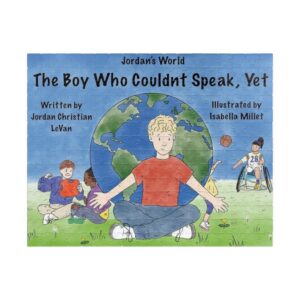
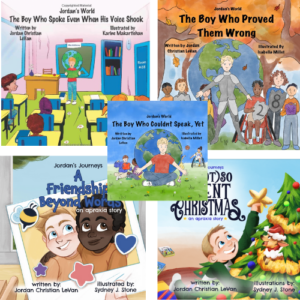
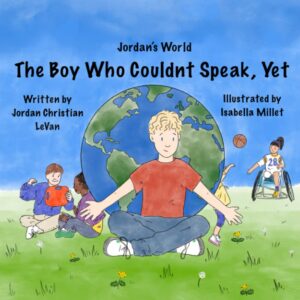
SIGNED COPIES OF THE BOY WHO COULDN’T SPEAK, YET (JORDAN’S WORLD)
$12.99 Add to cart -
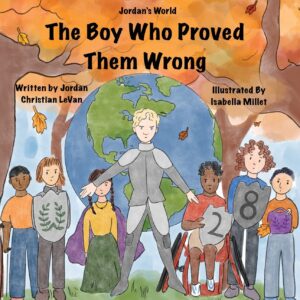
SIGNED COPIES OF THE BOY WHO PROVED THEM WRONG (JORDAN’S WORLD)
$13.99 Add to cart -
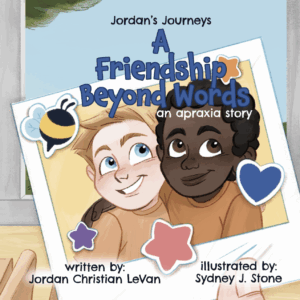
A Friendship Beyond Words: An Apraxia Story (Jordan’s Journeys)
$13.99 Add to cart -
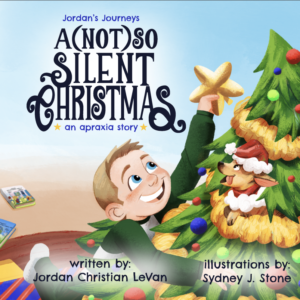
A (Not) So Silent Christmas, Signed Copies Paperback
$13.99 Add to cart -
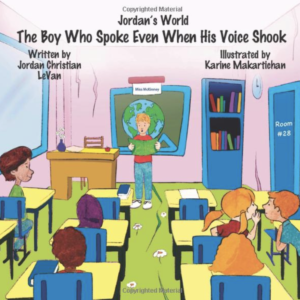
SIGNED COPIES OF THE BOY WHO SPOKE EVEN WHEN HIS VOICE SHOOK (JORDAN’S WORLD)
$13.99 Add to cart -
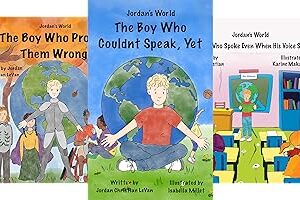
Jordan’s World Trilogy Set
$39.99 Add to cart -
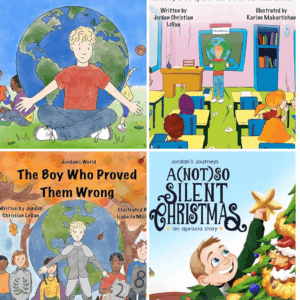
Jordan’s World & Jordan’s Journeys: 5-Book Bundle
$49.99 Add to cart -
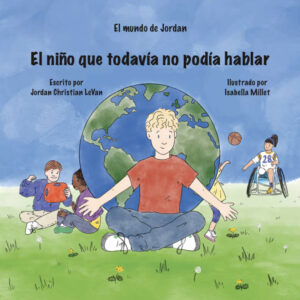
El niño que todavía no podía hablar (copias firmadas tapa blanda)
$12.99 Add to cart -
Puzzle — “The Boy Who Couldn’t Speak, Yet” (110–1014 pcs)
$19.99 – $24.99Price range: $19.99 through $24.99 Select options This product has multiple variants. The options may be chosen on the product page -

BULK BOOK ORDERS
$58.45 – $251.80Price range: $58.45 through $251.80 Select options This product has multiple variants. The options may be chosen on the product page -

El niño que demostró que estaban equivocados (El mundo de Jordan Book 2)
$13.99 Add to cart -
El niño que habló incluso cuando le temblaba la voz (copias firmadas tapa blanda)
$13.99 Add to cart
Leave a Reply